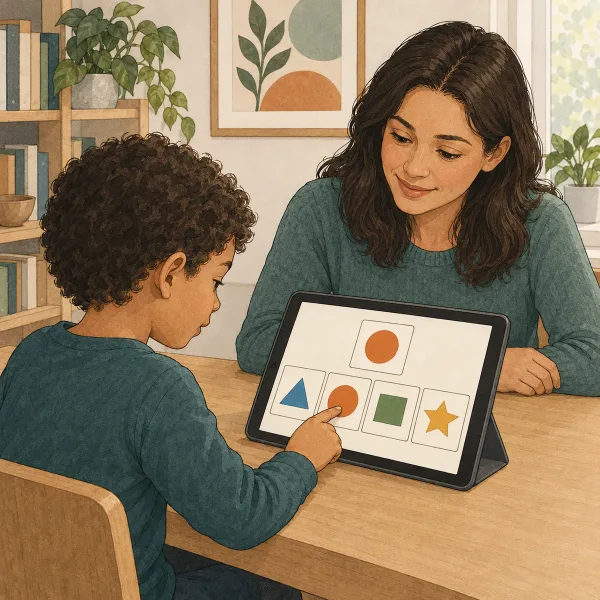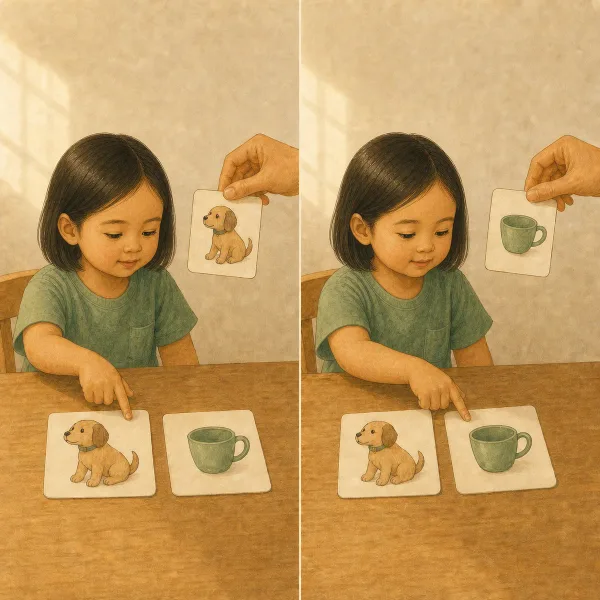
How matching works
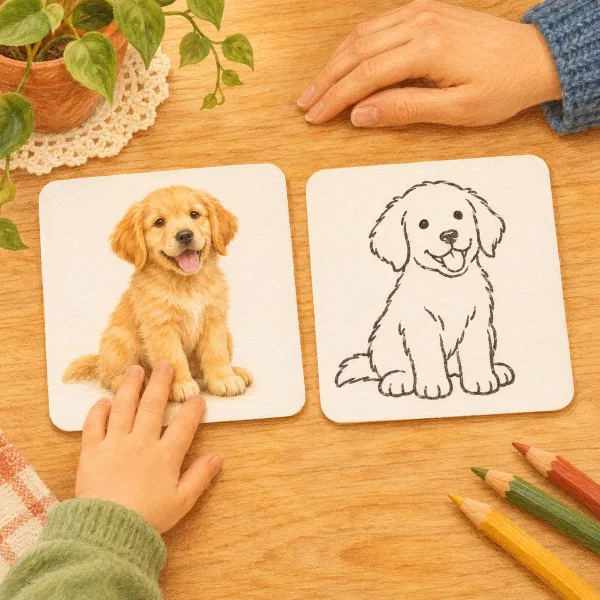
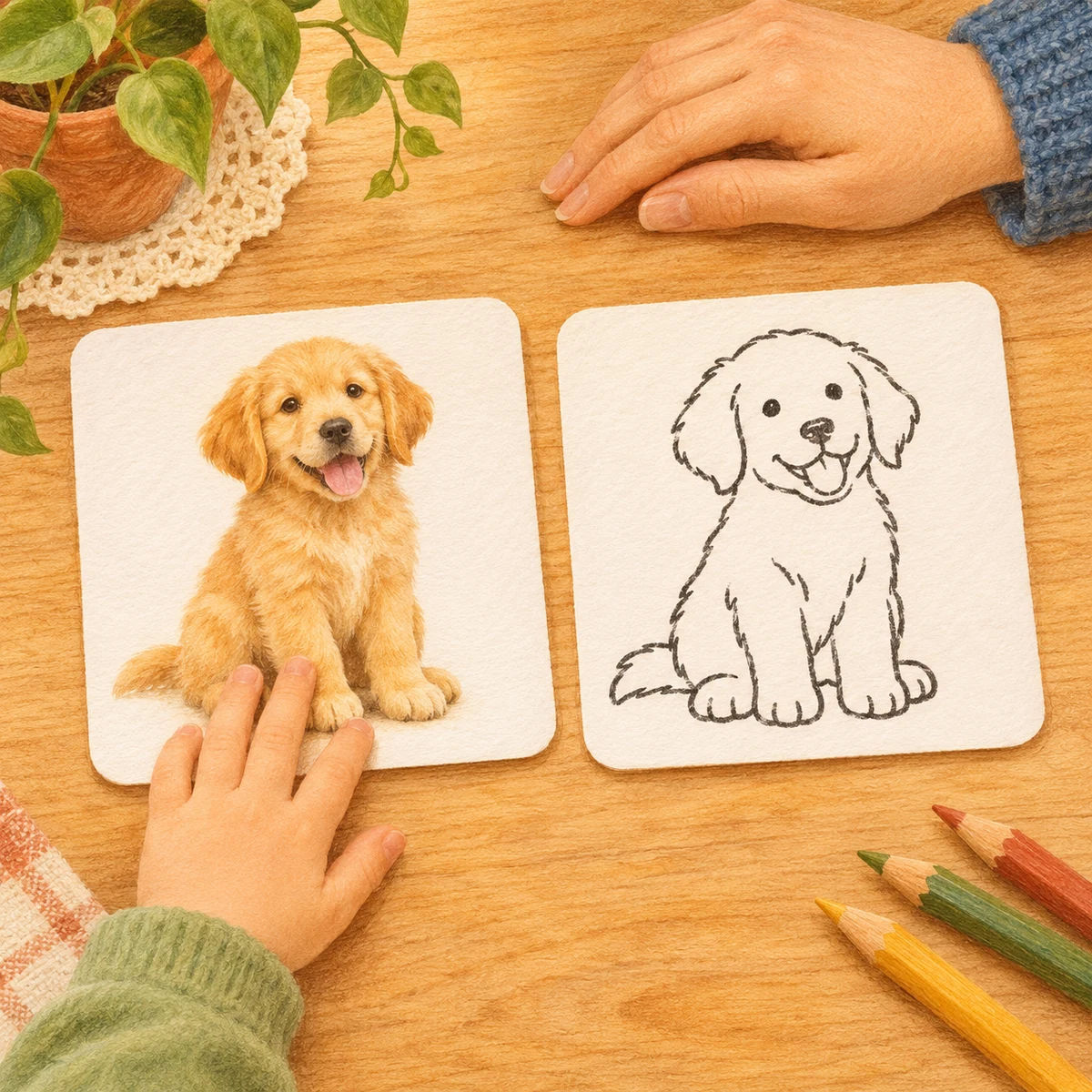
Why Interlaza starts with realistic images, not pictograms
What studies say about photos and drawings for children with autism, what they don't say, and how we used that evidence to design Interlaza.
10 min read
Read moreReading to understand and to teach
What the research says, what it does not, and what to do on Monday.
How matching works
What studies say about photos and drawings for children with autism, what they don't say, and how we used that evidence to design Interlaza.
10 min read
Read moreEnter by what you need
Start here
To use at home
Written for
Topic
60 articles
What Interlaza can adjust during a matching-to-sample activity, which responses inform those changes, and which decisions remain with the Instructor.
Read moreA clear split of the work in a home session with Interlaza: what the tablet takes care of, what you do, and how you can tell your child is moving forward.
Read moreHybrid activities with and without a tablet: combining materials, recording what happens, and studying transfer without confusing data with conclusions.
Read moreTen out of ten says nothing about what kind of contact the child has with the cards. Ribes tells five apart, and Varela's tests are how you find out which.
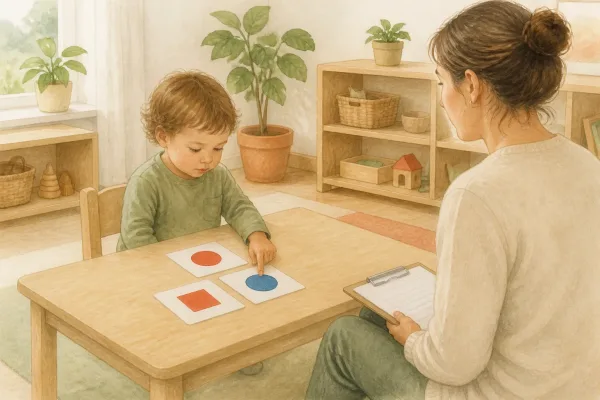
Read moreA child picks the blue circle when asked for the same one. Right or wrong? Julio Varela answers by changing one piece and watching whether the answer holds.
Read moreUnderstand conditional discrimination with illustrated examples: what the sample changes, how it differs from simple discrimination, and what to check.
Read moreEverything else
No articles in this category yet.